
Publications
Green House Think Tank publishes many different sorts of contribution to green politics. This includes the regulation publication of Reports, Gases, Green Reads and Newsletters, however have also published Books, Pamphlets, Consultation responses, and comms materials like flyers, posters, booklets and digital images.

Between XR and COP
On the spectrum from conventional activism and politics through to arrest-willing non-violent direct action, the most obvious vacancy is work. We need to be delivering the necessary transformative change via our day jobs: working to ensure that the job really is part of the solution, not the problem

Calling Jet Zero’s bluff
Jonathan Essex's gas examines the UK government's aviation strategy, and sees it as inadequate to deal with the scale and severity climate change

Measuring what matters
Emma Dawnay's proposal outlined is that the Green Book is updated to require the key metrics of greenhouse gas emissions to be at the forefront of each and every project appraisal
Transport Investment: The Zero Carbon Challenge
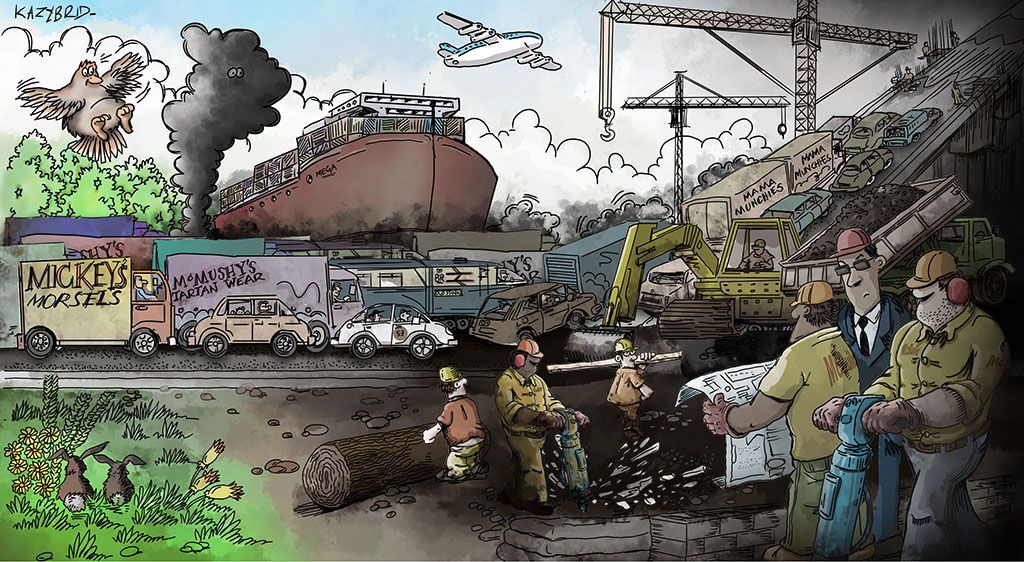
Our current targets to phase out fossil fuels is insufficient. Investment drives increases in hard to decarbonise transport infrastructure. Only by shifting our investment priorities in these terms will it be possible to meet the target of keeping global warming within the 1.5°C

The Social and Environmental Requirements of a Climate Emergency Economy
Our economy is not currently zero carbon, stable or sustainable, even in economic terms. What interventions are required to deliver the rapid transition required? What must these interventions achieve and how should these requirements be defined?
The Potential for Green Jobs in Cumbria
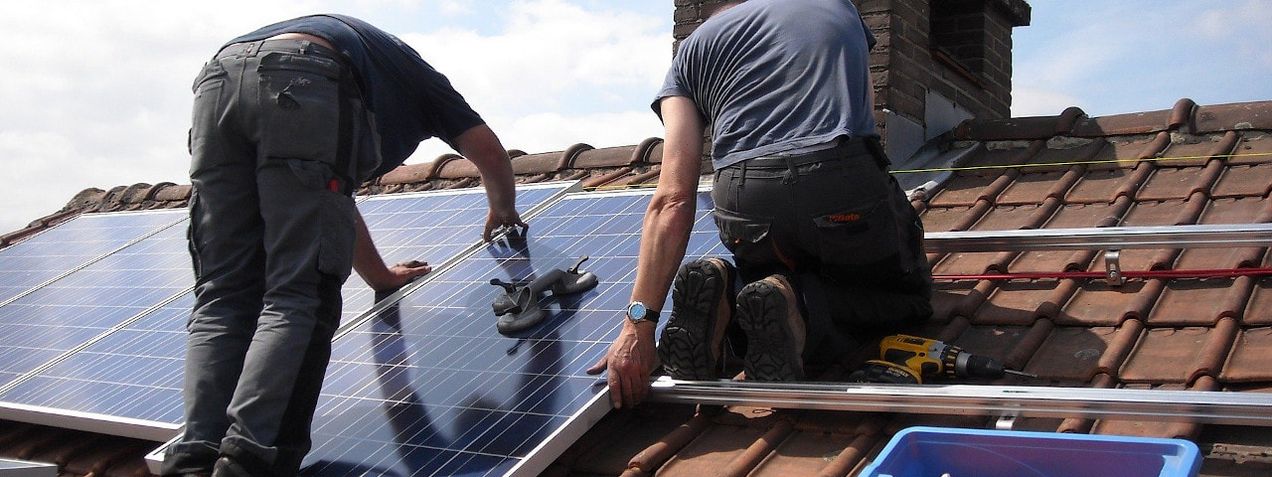
report looks at the implications of a transition to net zero carbon by 2037 - a target date adopted by the Zero Carbon Cumbria Partnership. There could, on average, be 9,000 additional jobs, mostly in renewable electricity generation but also in transport, industry and waste management.

The Economisation of Nature and its Services
Reinhard Loske argues that the idea that the ‘economisation of nature’ represents the one and only path to salvation should be viewed much more critically.
A proposal for restricting manipulative advertising in public spaces
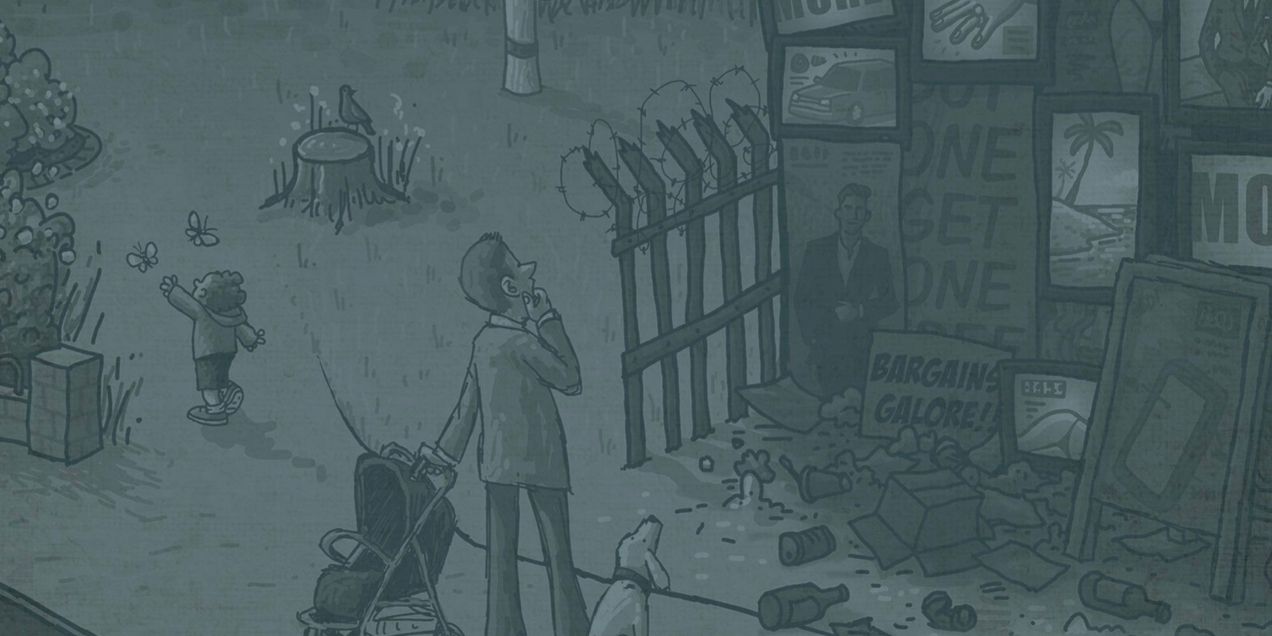
This report, published by Green House think tank, argues that manipulative advertising should be restricted, enabling citizens to opt-in rather than having to opt-out of subliminal commercial messaging.

Open Letter to the Committee on Climate Change
The following letter was sent to Lord Deben and Chris Stark (Chair and Chief Exec) of the Committee on Climate Change on the 10th December 2020.

A Just Transition in Agriculture
The agriculture industry has transformed in the last 70 years. Agriculture needs a just transition as much as coal mining communities do, but whereas there is no future for coal mines in a zero-carbon world, there has to be a future for agriculture.

Infrastructure Requirements for Zero Carbon
This report focuses on the freight transportation, aviation and steel sectors, which, combined with cement and plastic production. To ensure Sufficient Action is being taken, our society must target the rates of change required for a rapid transition to zero carbon.

A Green New Deal for Gatwick
Many job opportunities near Gatwick are at the airport or in associated sectors. Covid-19 brought an almost complete cessation of flying, with a slow regrowth likely to take years to return to prior levels. Contemplation of a different future for workers across the Gatwick region has become urgent