
Publications
Green House Think Tank publishes many different sorts of contribution to green politics. This includes the regulation publication of Reports, Gases, Green Reads and Newsletters, however have also published Books, Pamphlets, Consultation responses, and comms materials like flyers, posters, booklets and digital images.

This Moment: the emergency, the opportunity
The climate situation must be declared and treated as a global emergency if we are to have any chance of responding appropriately. At present, on climate change, the UK government combines self-congratulation, disavowal, missed opportunities, incoherence and delay.

Ideas for a Radical Green Manifesto
Green politics is in practice about much more than politics – we need changes in economics, technology, attitudes, and cultures. That is why it is the most radical form of politics there is.

A critique of the RSA’s ‘Inclusive Growth Commission'
In the latest Green House Gas, Jonathan Essex and Rupert Read question some of the fundamental assumptions of the RSA Commission's work

Claims for a Decent Life and a True Democracy
John Blewitt explores the intellectual legacy of William Morris and Edward Carpenter, both of whom were active in the socialist movement in the late nineteenth century and are often seen to today as progenitors of the twentieth-century green movement.

The Green Case For A Progressive Pact: Debating the next election
This pamphlet looked at the case for a progressive alliance and how Greens could benefit. It includes contributions from Molly Scott Cato, Victor Anderson, Rupert Read, Jonathan Essex, and Sara Parkin.

Newer Times
Andy Pearmain's Newer Times takes up a generation later the idea of the famous Marxism Today ‘New Times’ thesis. Pearmain suggests that the coming of robotisation is going to fundamentally change the nature of our society and our politics.

Post-growth localisation
This pamphlet outlines the fundamental features of economic globalisation and localisation, how a shift towards the local might be accomplished, and what it asks of us in terms of action.

An Assessment of Current Regulation of GMOs in the EU
Vesco Paskalev argues that the regulation of GMOs in the EU is a shambles. The main problem lies in a very narrow conception of risk and safety. Paskalev proposes specific legal amendments to remedy these faults.
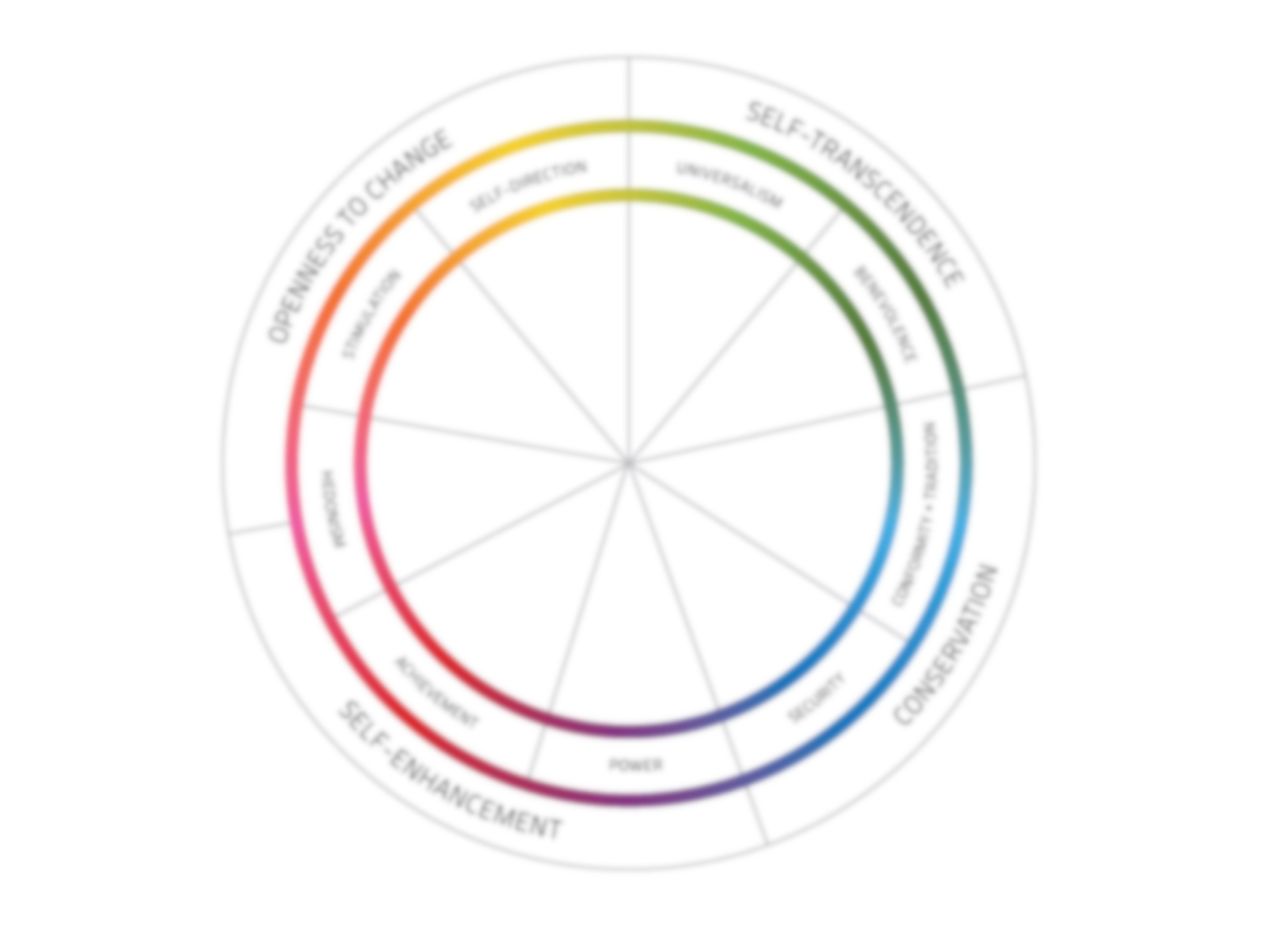
Critiquing ‘Common Cause’
The authors each reflect and comment on the Common Cause report published in 2010

Paris: Optimism, Pessimism and Realism
Brian Heatley argues that the real meaning of the Paris Climate Agreement is that it is now almost inevitable that there will be 3-4 degrees C of warming by 2100, and that we urgently need to face this and its political implications

Good Sharing, Bad Sharing Why we need a political regulatory framework for the Sharing Economy
Reinhard Loske's gas discusses a proposal to set up a sharing economy
